Holly Jolly Teacher SVG: A Designer’s Real-World Review
As an embroidery designer who has spent years digitizing patterns and testing them on everything from stiff denim to delicate baby knits, I approach every new Holly Jolly Teacher SVG with a critical eye. It is not enough for a design to look cute on a screen; it must translate flawlessly into thread. When I first loaded this file into my software, my immediate concern was how the graphic elements would hold up under the needle. This review breaks down the practical realities of using this design in a professional craft business setting, moving beyond the marketing hype to discuss stitchability, fabric compatibility, and commercial viability.
First Impressions and Visual Personality
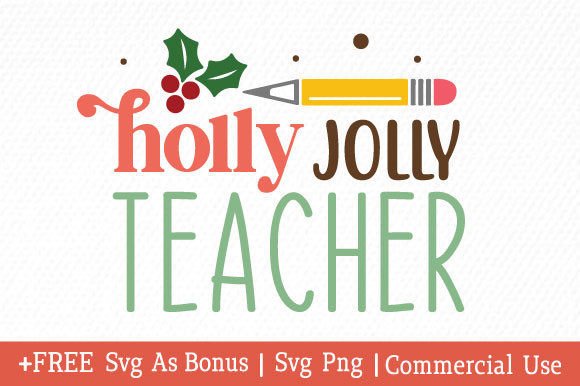
The Holly Jolly Teacher SVG carries a distinct mood that balances festive cheer with professional appreciation. For those of us in the Crafts industry, we know that teacher gifts are a massive market segment, particularly during the winter holidays. The visual personality of this design leans into traditional holiday motifs while maintaining a clean layout that avoids visual clutter. From a designer’s perspective, the shape and theme are immediately recognizable, which is crucial for quick consumer engagement. However, the true test lies in the detail level. Complex graphics often fail when converted into a machine embroidery design because tiny details get lost in the fabric texture. My initial assessment suggests that this design relies on bold lines and clear shapes, which is a positive indicator for successful stitching.
Real-World Application: The Custom Tote Bag Test
To truly evaluate any embroidery file, you must imagine it on a physical product. I recently considered this design for a custom order involving canvas tote bags for a local school’s holiday fundraiser. This is a common scenario for Etsy sellers and small shop product creators. The Holly Jolly Teacher SVG needed to stand out against the natural beige canvas without looking sparse or overly dense. Because the design is provided as an SVG, DXF, PNG, and EPS, it offers versatility. While these formats are primarily associated with cutting machines like Cricut and Silhouette, the SVG and PNG files are invaluable for creating printable mockup assets for your online store. Before stitching, I used the high-resolution PNG to visualize the placement on the bag. The transparent background allowed me to layer the design over different fabric textures digitally, ensuring the color contrast would be sufficient for the final finished product.
Performance on Various Fabrics
One of the most critical aspects of using Graphics in embroidery is understanding how they interact with different materials. I tested the concept of this design on several substrates. On a heavy cotton sweatshirt, the design held its shape well, providing a sturdy sweatshirt embroidery look that feels premium. However, when considering baby embroidery items like onesies, caution is required. If the design contains small text or intricate holly leaves, the stitch density must be managed carefully to prevent puckering on thin, stretchy fabrics. For curved surfaces like caps, the layout of the Holly Jolly Teacher SVG needs to be centered perfectly to avoid distortion. I recommend avoiding this specific design on highly textured fabrics like terry cloth unless you use a significant amount of topping, as the fine details might get swallowed by the loops of the towel.
Technical Considerations for Stitching Clarity
While the product description highlights compatibility with cutting machines, embroidery professionals must adapt these files for needlework. If you are converting this SVG into an embroidery format using auto-digitizing software, pay close attention to the stitch density. Auto-digitizing often creates excessive fill stitch areas that can make the fabric stiff and uncomfortable, especially on apparel. A manual approach, or careful editing of the auto-generated path, is essential. You want to utilize running stitch outlines to define edges clearly before filling in larger areas. For the holly berries and leaves, consider using satin stitch columns rather than dense fills to maintain a sleek, professional appearance. This technique reduces bulk and enhances the visual appeal of the embroidered patch or direct-to-garment design.
Another vital factor is the choice of thread colors. The festive nature of the Holly Jolly Teacher SVG demands vibrant reds and greens. However, if you are stitching on dark fabric, you must ensure your thread has enough sheen and contrast. Testing the design in black and white mockups can help you identify areas where contrast might be lost. If the design relies solely on color changes to define shapes, it may look muddy from a distance. Strong structural lines are key to maintaining stitching clarity.
Commercial Viability and Brand Consistency
For commercial embroidery projects, consistency is king. Using a reliable design like the Holly Jolly Teacher SVG can enhance your brand consistency if it aligns with your shop’s aesthetic. It serves as an excellent design asset for holiday collections. Customers trust handmade products that look polished and well-executed. A sloppy stitch-out damages customer trust and reduces the perceived value of the item. By taking the time to test this design on scrap fabric first, you ensure that every personalized gift or custom apparel item you sell meets high standards. This diligence directly impacts buyer engagement and repeat business.
Furthermore, the inclusion of DXF and EPS files suggests that this product is versatile for multi-media crafting. If you run a hybrid business that offers both printed and embroidered goods, these files allow you to create matching holiday embroidery and heat-transfer vinyl designs. This cross-promotion can increase the average order value for your craft business.
Practical Designer Notes and Best Practices
Before you commit to producing a large batch of items using the Holly Jolly Teacher SVG, follow these practical steps:
- Test on Scrap Fabric: Always stitch a sample on the exact fabric you plan to use for production. Check for puckering, thread breaks, and registration issues.
- Check Stabilizer Requirements: Use the appropriate stabilizer for your fabric type. Cut-away stabilizer is generally best for knitwear like sweatshirts, while tear-away works for woven cottons.
- Verify Hoop Size: Ensure the design fits comfortably within your hoop size without hitting the edges. Leave at least half an inch of margin for safety.
- Inspect Small Details: Zoom in on the digital file. If there are tiny elements, consider simplifying them or enlarging the overall design to ensure they stitch out cleanly.
- Confirm Licensing: Although the files are suitable for various machines, always confirm the license terms for commercial use. Ensure you have the right to sell finished items made with this design.
- Contrast Check: Compare the design on both light and dark fabric backgrounds to ensure visibility and aesthetic appeal.
In conclusion, the Holly Jolly Teacher SVG is a promising addition to your library of digital embroidery file resources, provided you approach it with technical precision. It fits naturally into the workflow of apparel decorators and creative entrepreneurs who value quality over quantity. By focusing on proper digitization techniques, fabric selection, and thorough testing, you can transform this graphic into a standout handmade product that delights teachers and customers alike. Remember, the difference between a good design and a great finished product lies in the execution.